The True Story of Santa Claus: His Name Was Nicholas, He Was Born in Turkey, and He Was a Bishop
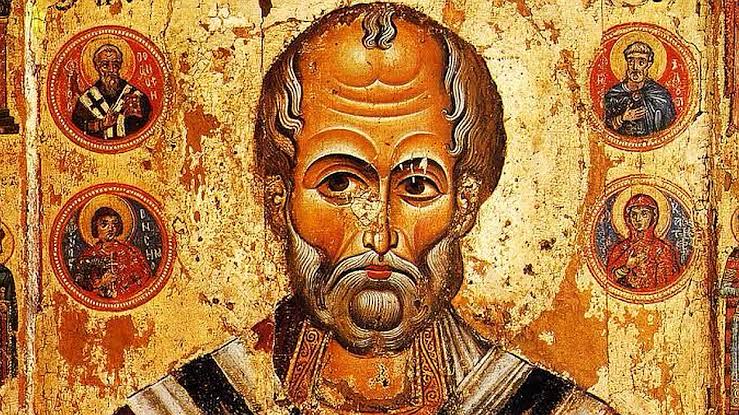
The story of Nicholas of Patara—who inspired the figure of Santa Claus—is that of a man shaped by tragedy and nobility.
Over the centuries, Nicholas of Patara crossed borders and cultures: from the Dutch Sinterklaas to the American Santa Claus, eventually returning to Turkey as the beloved Noel Baba, the name by which he is known along the shores of the Bosphorus.
As this time of year arrives, the entire world turns its gaze toward the figure of Santa Claus. Yet few are aware of his true origins. This universal symbol of generosity was not born in the cold Arctic, but in the warm lands of Patara, in ancient Lycia—today part of Türkiye (Turkey).
The story of Nicholas of Patara—who inspired the figure of Santa Claus—is that of a man marked by both tragedy and nobility. Born in the late third century, he lost his parents during an epidemic and chose to use his inheritance to help those most in need. In time, he became Bishop of Myra (present-day Demre), where he built a reputation as a protector of the poor and of children.
Among the most widely known accounts is that of the three sisters whom he saved from a tragic fate by secretly throwing gold coins down the chimney of their home—a gesture that lives on today in the Christmas tradition of hanging stockings.
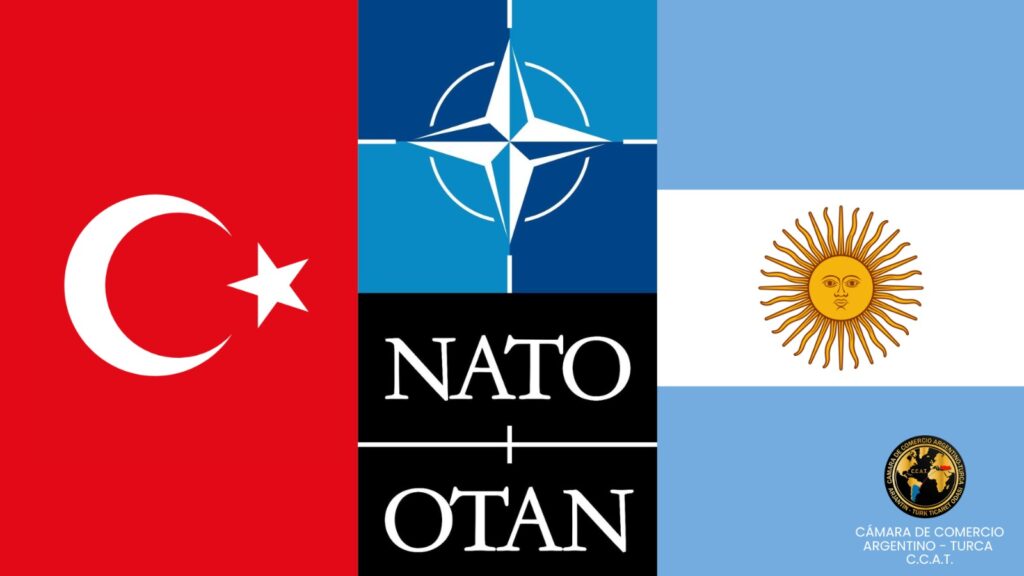
Over the centuries, his figure crossed borders and cultures: from the Dutch Sinterklaas to the American Santa Claus, reaching us today as the beloved Noel Baba, the name by which he is known along the Bosphorus. This transition from history to legend, uniting East and West, is also a metaphor for the cultural ties that today connect Turkey and Argentina.
Like Saint Nicholas, our cultures place hospitality and human connection above geographical distance. There is an invisible thread linking the ritual of sharing mate at an Argentine table with that of tea (çay) or Turkish coffee in our daily gatherings: in both cases, these are excuses to strengthen community bonds.
Food also plays a central role. Whether it is a traditional Sunday asado or a gathering around kebabs and meze, sharing a table is a collective act that reinforces family unity. Even in our deepest passions—our almost religious fervor for football, or the emotion conveyed through tango and folk dances—we express a cultural identity that is intense, vibrant, and surprisingly close.
From the Argentine–Turkish Chamber of Commerce (CCARGTUR), we work to ensure that these ties do not remain merely symbolic or cultural, but become concrete drivers of development. As the first and only Turkish chamber approved by the IGJ, we aim to be a meeting point for entrepreneurs from both countries, facilitating dialogue and cooperation.
Argentina is a nation built by immigrants, where descendants of Turks have integrated their traditions since the 19th century. Today, the challenge is to strengthen this historic relationship in strategic sectors such as energy, mining, and biotechnology, while also promoting Argentine exports—particularly red meat, whether live cattle or halal cuts—to the Turkish market.
The logo of our Chamber represents a bridge connecting both countries on the world map. That is also our role: to unite, facilitate, remove barriers, and foster lasting commercial and cultural reciprocity. Despite economic challenges and geographic distances, there is always an opportunity for mutual understanding when there is a shared willingness to work together.
At this year’s close, I invite both nations to continue moving toward an even deeper relationship. May the spirit of generosity of that bishop from Patara inspire us to keep building a shared future of peace and growth.
Mutlu Bayramlar (Happy Holidays).
Written by Özgür Yücel Demir,
President of the Argentine–Turkish Chamber of Commerce (CCARGTUR)