Mercosur, European Union, and Türkiye: Opportunity or Threat?
By Özgür Yücel Demir*, for Forbes
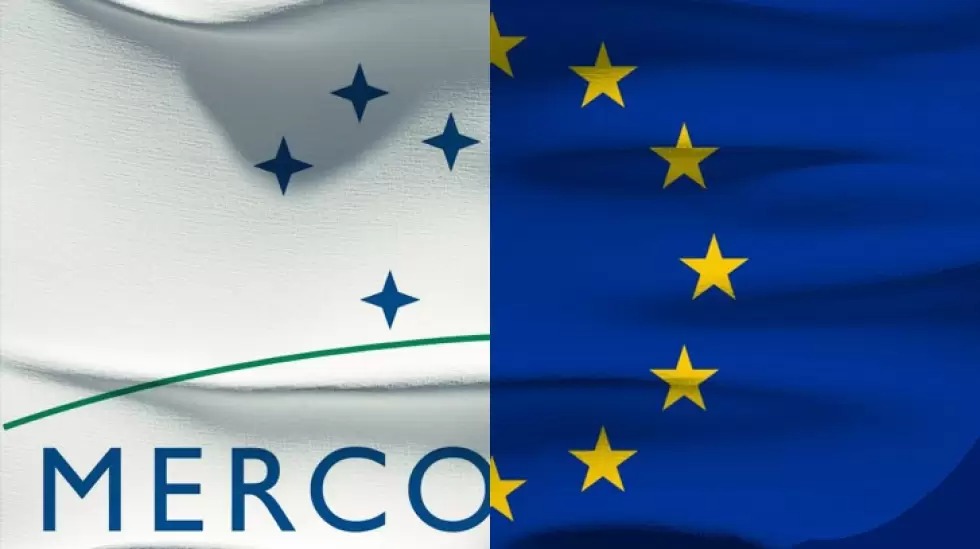
After 25 years of negotiations, on September 3, the European Union finally adopted the legal text enabling the ratification of the free trade agreement signed between the European Union (EU) and Mercosur. In doing so, Brussels opened the doors to a combined market of 750 million people, with strategic implications that transcend commerce. This step not only represents billions in tariff savings for European and South American companies, but also consolidates a permanent dialogue channel between two key regions on the global economic stage.
For the EU, the agreement ensures preferential access to critical raw materials such as lithium and silicon—central inputs for the energy and digital transition—along with greater legal certainty for its companies. For Mercosur, and particularly Argentina, it represents the chance to diversify markets and boost agricultural and industrial exports under a gradual tariff reduction scheme that takes into account the region’s structural asymmetries. The agreement also incorporates commitments on sustainability, including upholding the Paris Agreement, enforcement mechanisms against deforestation, and the participation of civil society in its implementation.
At the same time, the question arises: what does this agreement mean for Türkiye? Some analysts fear that tariff liberalization between Europe and South America could erode Turkish competitiveness. However, the scenario can also be viewed as an opportunity: if Türkiye manages to negotiate a direct understanding with Mercosur, it could match Europe’s position while also diversifying its foreign trade.
It should be clarified that Türkiye, beyond its customs union with the EU, is not a member of the European Union. It applied for EU membership in 1987, was recognized as a candidate in 1999, and began accession negotiations in 2005. However, the process has been stalled since 2018 due to various concerns raised by the European Parliament. Even so, the country remains a strategic partner for Brussels in matters of migration, energy, and security.
The complementarity between both countries is evident. While Türkiye excels in machinery, textiles, home appliances, and digital services, Argentina leads in agribusiness, energy, and natural resources. A bilateral trade agreement—or one through Mercosur—could strengthen shared value chains and even foster the joint development of new areas.
In this context, the recent call by President Javier Milei to revitalize Mercosur takes on special meaning. “Argentina cannot wait. We need more trade, more investment, and more jobs, and we will achieve it together or alone,” he stated at the latest summit of the bloc. This open-market vision can be read as an invitation to explore innovative agreements with extra-regional partners such as Türkiye.
The EU-Mercosur agreement inaugurates a new stage of commercial openness. For Türkiye, it can serve as a platform to deepen ties with South America and, in particular, Argentina. That is why I am convinced that, far from being a threat to its interests, this agreement represents a strategic opportunity that Türkiye should not miss. In a multipolar and competitive world, building trade bridges between complementary economies is not only desirable—it is necessary.
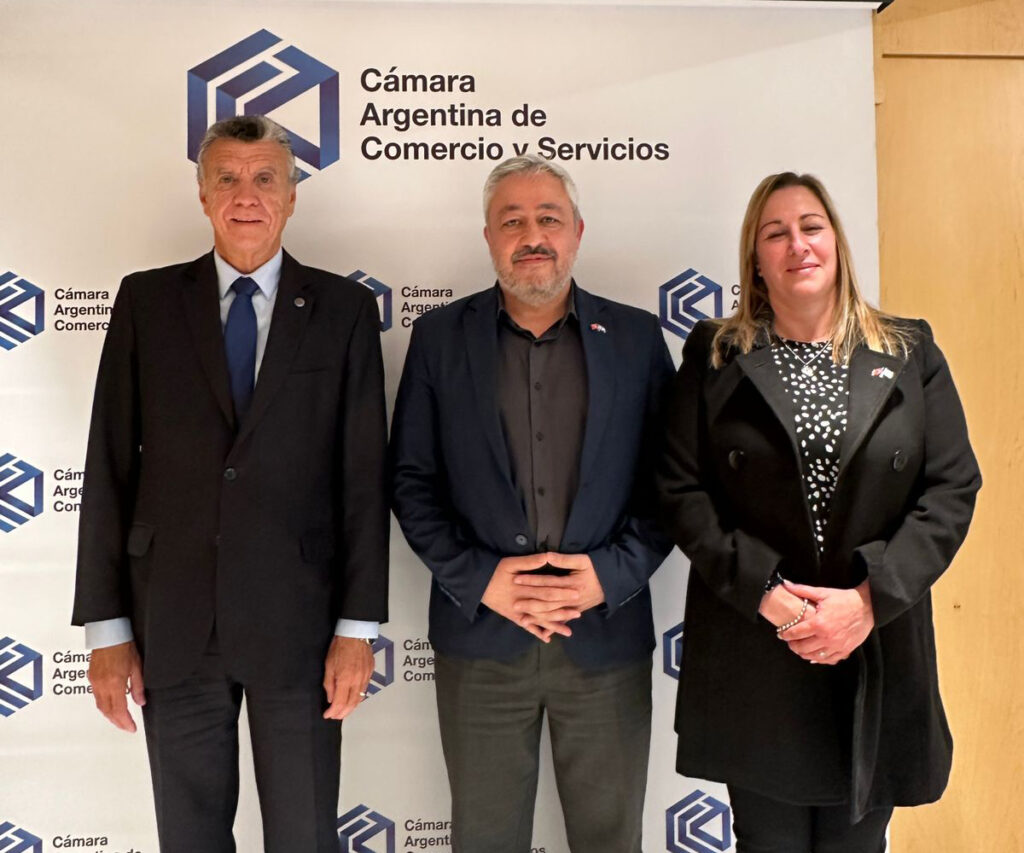
Özgür Yücel Demir is President of the Argentine-Turkish Chamber of Commerce.